Shiba Daijingu
芝大神宮
Tokyo · Minato-ku
Jingu commerce
Ise Grand Shrine (Naiku)
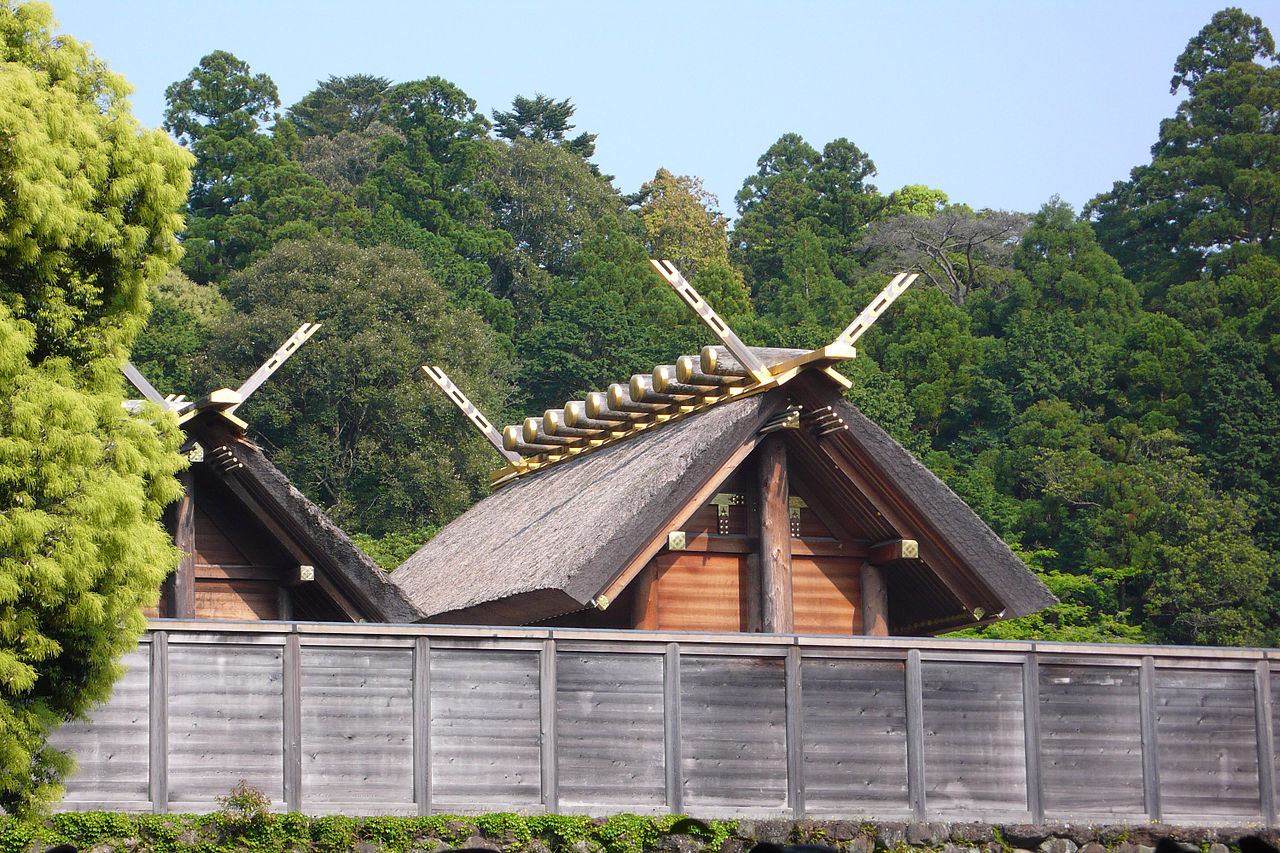
Ise Grand Shrine's Inner Shrine (Naiku) is the most sacred site in Japanese Shinto, enshrining Amaterasu Omikami, the sun goddess and mythical ancestor of the imperial line. The shrine holds the Yata-no-Kagami, the Sacred Mirror, one of the Three Imperial Regalia that symbolize the emperor's divine authority. The shrine's architecture embodies purity and renewal through the practice of Shikinen Sengu: every 20 years, the entire shrine complex is rebuilt on an adjacent plot using traditional methods, and the deity is ceremonially transferred to the new structure. This practice has continued for over 1,300 years, with the 62nd rebuilding completed in 2013. The approach to the shrine crosses the Uji Bridge over the Isuzu River and passes through a primeval forest of towering cryptomeria cedars. The inner sanctum, where the mirror resides, is hidden behind multiple layers of fencing and is accessible only to the imperial family and the highest-ranking priests. Ise Jingu formally stands outside the modern shrine ranking system -- it is considered so sacred that no rank could encompass it. The shrine's official name is simply 'Jingu' (The Shrine), as it needs no qualifier.
First documented Shikinen Sengu (periodic rebuilding ceremony) takes place
62nd Shikinen Sengu completed
The shrine's official name is simply 'Jingu' (The Shrine) -- no prefix is needed because it is considered the supreme shrine of Japan.
Source: documented
The Shikinen Sengu rebuilding requires over 10,000 hinoki cypress logs and employs ancient carpentry techniques passed down for centuries.
Source: documented
Until the Meiji era, common people were not permitted to visit the inner shrine -- pilgrimage to Ise was a once-in-a-lifetime aspiration.
Source: tradition
Photography is prohibited beyond the stone steps leading to the main sanctuary.
Source: documented
Ise Grand Shrine (Naiku) in Mie Prefecture. Enshrines Amaterasu Omikami, the deity the game's protagonist is based on. The game's themes of solar divinity directly reference Ise's traditions.
Location Coordinates
34.4553, 136.7256
1 Uji-Tachi-cho, Ise-shi, Mie
Ise Province
Isuzugawa Station (Kintetsu)
5:00-17:00 (varies by season)
Bus from Iseshi Station or Ujiyamada Station, about 15 minutes
Limited (gravel paths)
The spiritual heart of Japan. Ise Naiku is the single most sacred site in Shinto, housing one of the Three Imperial Regalia. The practice of rebuilding the entire shrine every 20 years makes it both eternally ancient and perpetually new.
芝大神宮
伊勢神宮 外宮
上川神社
美瑛神社
旭川神社
瀧川神社
Contenu redige par l'equipe editoriale de Jinja DB
Ise Grand Shrine's Inner Shrine (Naiku) is the most sacred site in Japanese Shinto, enshrining Amaterasu Omikami, the sun goddess and mythical ancestor of the imperial line. The shrine holds the Yata-no-Kagami, the Sacred Mirror, one of the Three Imperial Regalia that symbolize the emperor's divine authority. The shrine's architecture embodies purity and renewal through the practice of Shikinen Sengu: every 20 years, the entire shrine complex is rebuilt on an adjacent plot using traditional methods, and the deity is ceremonially transferred to the new structure. This practice has continued for over 1,300 years, with the 62nd rebuilding completed in 2013. The approach to the shrine crosses the Uji Bridge over the Isuzu River and passes through a primeval forest of towering cryptomeria cedars. The inner sanctum, where the mirror resides, is hidden behind multiple layers of fencing and is accessible only to the imperial family and the highest-ranking priests. Ise Jingu formally stands outside the modern shrine ranking system -- it is considered so sacred that no rank could encompass it. The shrine's official name is simply 'Jingu' (The Shrine), as it needs no qualifier.
Ise Grand Shrine (Naiku) is located in Ise-shi, Mie. The full address is: 1 Uji-Tachi-cho, Ise-shi, Mie.
The enshrined deities are: Amaterasu Omikami.
Ise Grand Shrine (Naiku) is known for: prosperite nationale, paix, fortune imperiale.
The nearest station is Isuzugawa Station (Kintetsu). Bus from Iseshi Station or Ujiyamada Station, about 15 minutes