Hokkaido Shrine
北海道神宮
Hokkaido · Sapporo
Indépendant Ichinomiya developpement
Atsuta Jingu
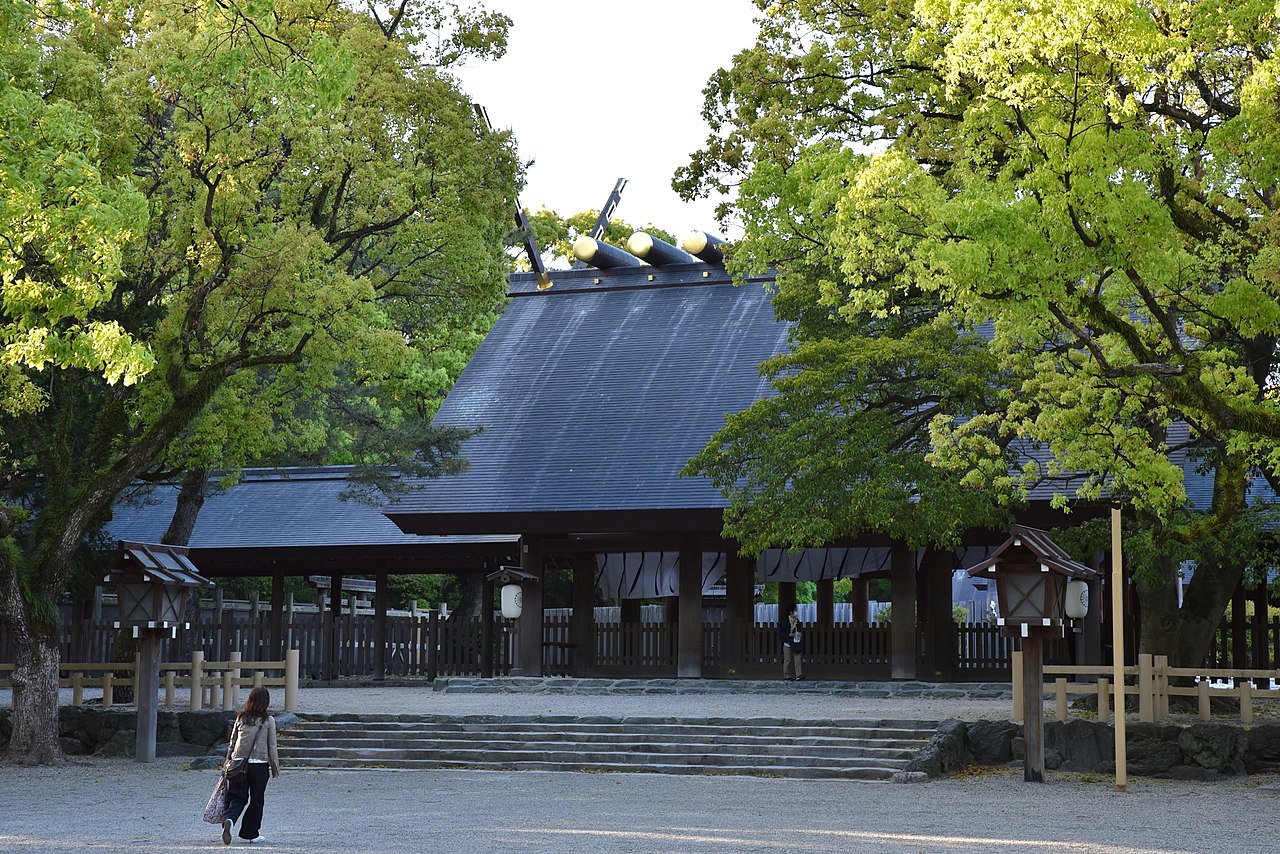
Atsuta Jingu is one of the most sacred and important shrines in Japan, housing the Kusanagi-no-Tsurugi (Grass-Cutting Sword), one of the Three Imperial Regalia that symbolize the legitimacy of the Japanese emperor. The shrine holds a unique position in Japanese mythology as the spiritual home of this legendary weapon. According to tradition, the shrine was established when Miyasuhime-no-Mikoto, the wife of the legendary hero Yamato Takeru, enshrined the Kusanagi sword at this location after his death. The sword had been obtained by Susanoo from the eight-headed serpent Yamata-no-Orochi and passed down through the divine lineage. Atsuta's historical significance extends beyond mythology. In 1560, the young warlord Oda Nobunaga prayed here before his famous upset victory at the Battle of Okehazama, launching him toward national prominence. With over 7 million annual visitors, Atsuta remains central to the spiritual life of the Nagoya region. The shrine's grounds cover 19 hectares of dense forest in the heart of urban Nagoya, creating a sacred oasis.
Oda Nobunaga prayed here before the Battle of Okehazama and won a miraculous victory
Atsuta houses the Kusanagi-no-Tsurugi, one of the Three Imperial Regalia of Japan. The actual sword has never been publicly displayed.
Source: documented
Oda Nobunaga prayed here before his famous upset victory at the Battle of Okehazama in 1560.
Source: documented
Despite being in the heart of urban Nagoya, the shrine grounds contain a vast ancient forest.
Source: documented
The shrine uses the shinmei-zukuri architectural style, the same as Ise Grand Shrine.
Source: documented
Atsuta Shrine in Nagoya, which enshrines the legendary Kusanagi no Tsurugi. Related to the game's theme of famous swords.
Location Coordinates
35.1283, 136.9089
1-1-1 Jingu, Atsuta-ku, Nagoya-shi, Aichi
Owari / Mikawa
Jingu-mae Station (Meitetsu Nagoya Line)
24 hours (shrine office: 8:30-16:30)
Partial
One of Japan's holiest shrines, home to the legendary Kusanagi sword. A living connection to Japan's founding myths in the heart of Nagoya, with deep ties to samurai history.
北海道神宮
上川神社
帯廣神社
樽前山神社
美瑛神社
旭川神社
Contenu redige par l'equipe editoriale de Jinja DB
Atsuta Jingu is one of the most sacred and important shrines in Japan, housing the Kusanagi-no-Tsurugi (Grass-Cutting Sword), one of the Three Imperial Regalia that symbolize the legitimacy of the Japanese emperor. The shrine holds a unique position in Japanese mythology as the spiritual home of this legendary weapon. According to tradition, the shrine was established when Miyasuhime-no-Mikoto, the wife of the legendary hero Yamato Takeru, enshrined the Kusanagi sword at this location after his death. The sword had been obtained by Susanoo from the eight-headed serpent Yamata-no-Orochi and passed down through the divine lineage. Atsuta's historical significance extends beyond mythology. In 1560, the young warlord Oda Nobunaga prayed here before his famous upset victory at the Battle of Okehazama, launching him toward national prominence. With over 7 million annual visitors, Atsuta remains central to the spiritual life of the Nagoya region. The shrine's grounds cover 19 hectares of dense forest in the heart of urban Nagoya, creating a sacred oasis.
Atsuta Jingu is located in Nagoya-shi, Atsuta-ku, Aichi. The full address is: 1-1-1 Jingu, Atsuta-ku, Nagoya-shi, Aichi.
The enshrined deities are: Atsuta no Okami, Amaterasu Omikami, Susanoo no Mikoto, Yamato Takeru no Mikoto.
Atsuta Jingu is known for: protection nationale, victoire, prosperite generale.
The nearest station is Jingu-mae Station (Meitetsu Nagoya Line). It is about a 3-minute walk from the station.