Tsuruoka Tenmangu
Yamagata · Tsuruoka
Tenjin Academic Success
Kitano Tenmangu
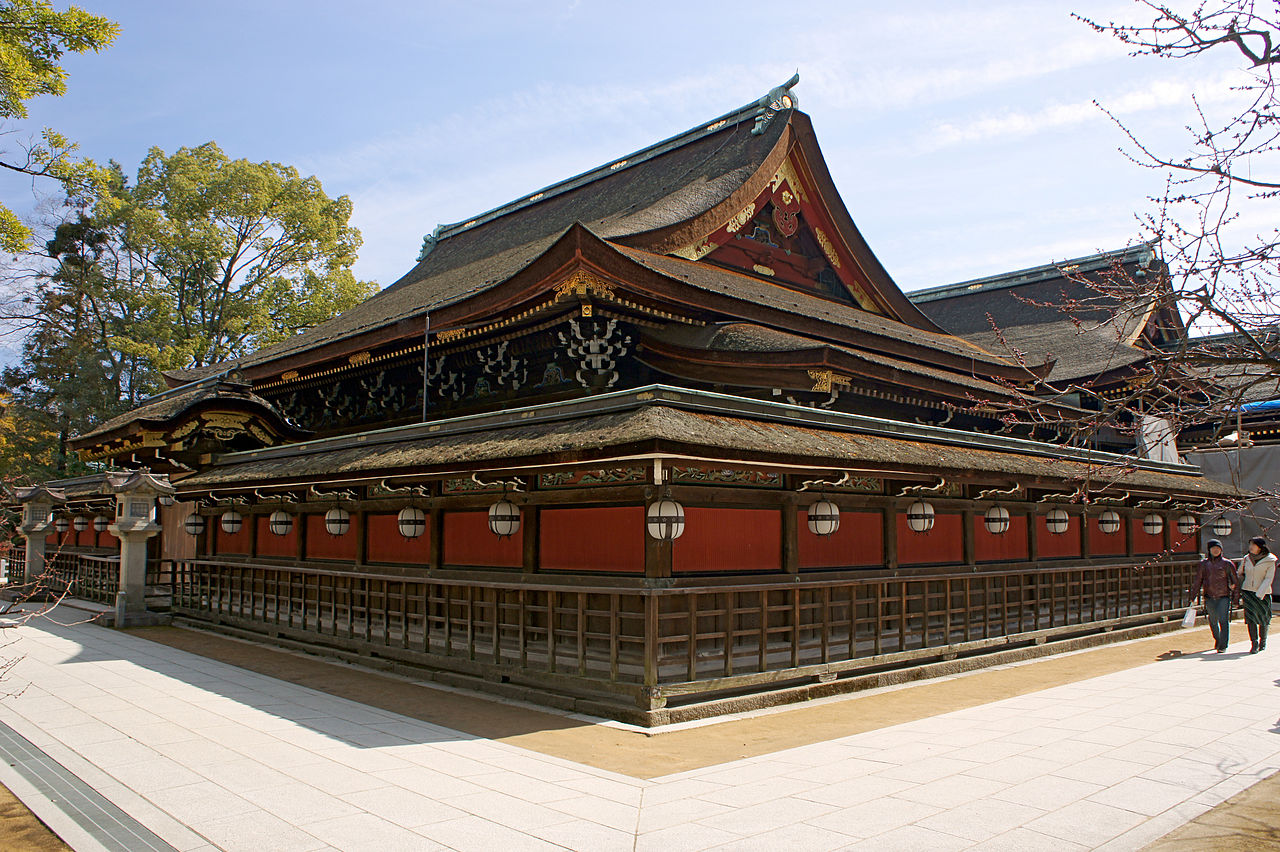
Kitano Tenmangu enshrines Sugawara no Michizane, the brilliant 9th-century scholar and politician who was unjustly exiled and died in grief. After his death, a series of calamities struck the capital, interpreted as his vengeful spirit. The shrine was built to appease him, and over time his spirit was transformed from a feared ghost into Japan's most beloved deity of learning. Today, Kitano Tenmangu and Dazaifu Tenmangu together serve as the twin head shrines of approximately 12,000 Tenjin shrines across Japan. The shrine is thronged with students praying for exam success, especially before university entrance exams. The main hall complex, rebuilt by Toyotomi Hideyori in 1607, is designated a National Treasure. The shrine is also famous for its plum garden (Michizane's favorite flower), which blooms spectacularly in February.
Source: Founded in Tenryaku 1 to appease the spirit of Sugawara no Michizane
Founded to enshrine and appease the spirit of Sugawara no Michizane, who had died in exile
Sugawara no Michizane's vengeful spirit was so feared that he was eventually deified as a god to pacify him -- one of Japan's most famous cases of a human becoming a deity.
Source: documented
Plum blossoms are the shrine's symbol because Michizane famously wrote a poem to his beloved plum tree before leaving for exile.
Source: documented
Cows (ushi) are the shrine's divine messengers. Rubbing a bronze cow statue is believed to bring wisdom.
Source: tradition
Kitano Tenmangu in Kyoto. The Kyoto arc of the story takes place near historic Kyoto locations. Sugawara no Michizane, enshrined here, is referenced in curse lore within the series.
Kitano Tenmangu in Kyoto. Tenjin (Sugawara no Michizane) appears as a character in the series. The shrine is associated with the manga's depiction of established gods.
Location Coordinates
35.0311, 135.7353
Bakuro-cho, Kamigyo-ku, Kyoto-shi, Kyoto
Yamashiro / Tanba / Tango
Kitano-Hakubaicho Station (Keifuku Randen)
5:00-17:30
City Bus #50/101 to Kitano-Tenmangu-mae
Partial
Where a feared ghost became Japan's god of learning. A National Treasure shrine surrounded by famous plum gardens, packed with hopeful students every exam season.
ข้อมูลจัดทำโดยทีม Jinja DB
Kitano Tenmangu enshrines Sugawara no Michizane, the brilliant 9th-century scholar and politician who was unjustly exiled and died in grief. After his death, a series of calamities struck the capital, interpreted as his vengeful spirit. The shrine was built to appease him, and over time his spirit was transformed from a feared ghost into Japan's most beloved deity of learning. Today, Kitano Tenmangu and Dazaifu Tenmangu together serve as the twin head shrines of approximately 12,000 Tenjin shrines across Japan. The shrine is thronged with students praying for exam success, especially before university entrance exams. The main hall complex, rebuilt by Toyotomi Hideyori in 1607, is designated a National Treasure. The shrine is also famous for its plum garden (Michizane's favorite flower), which blooms spectacularly in February.
Kitano Tenmangu is located in Kyoto-shi, Kamigyo-ku, Kyoto. The full address is: Bakuro-cho, Kamigyo-ku, Kyoto-shi, Kyoto.
The enshrined deities are: Tenjin (Sugawara no Michizane).
Kitano Tenmangu is known for: Academic Achievement, Arts & Literature, Honesty.
The nearest station is Kitano-Hakubaicho Station (Keifuku Randen). It is about a 5-minute walk from the station. City Bus #50/101 to Kitano-Tenmangu-mae